
Places to Visit in Kadapa are perfect for travelers who love history, nature, spirituality, and adventure. Kadapa, officially known as YSR District, is one of the most fascinating travel destinations in Andhra Pradesh. Surrounded by hills, rivers, ancient temples, forts, wildlife, and spiritual centers, it offers a unique combination of culture, heritage, and scenic beauty.
While many tourists visit famous destinations like Tirupati and Visakhapatnam, Kadapa remains one of Andhra Pradesh’s hidden gems. From the spectacular cliffs of Gandikota to the peaceful temples of Pushpagiri and the spiritual atmosphere of Brahmamgari Matham, every destination tells its own story.
If you are planning a trip to Andhra Pradesh, Kadapa deserves a place on your travel list.
1.Gandikota – The Grand Canyon of India
Located about 80 kilometers from Kadapa city, Gandikota is one of the most visiting place in Andhra Pradesh. Often called the “Grand Canyon of India,” this spectacular destination attracts nature lovers, adventure enthusiasts, photographers, and history lovers from across the country.
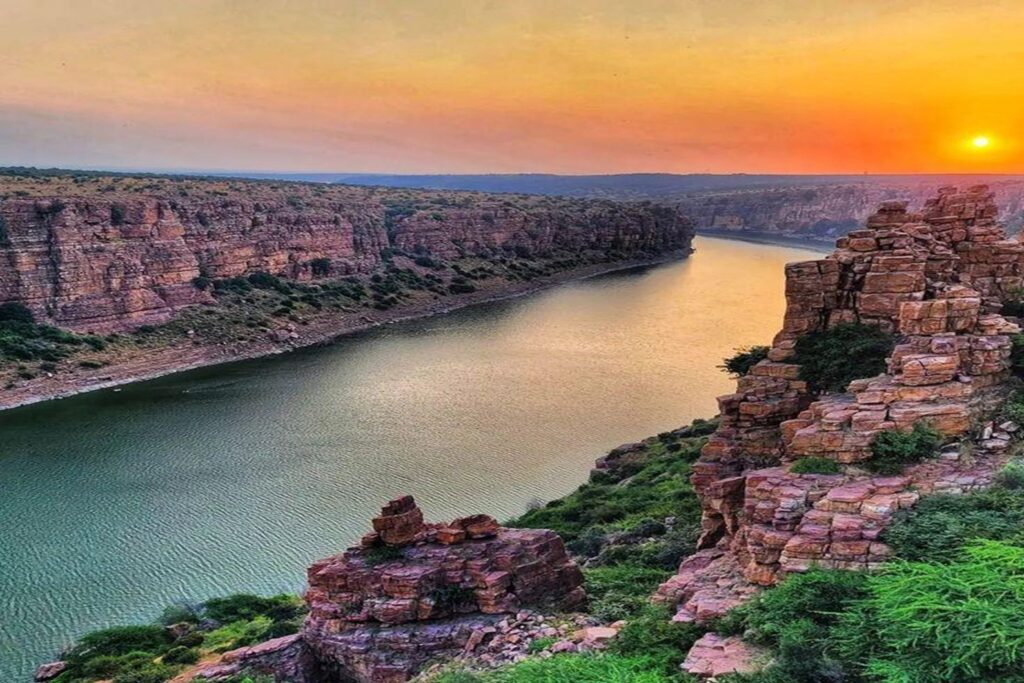
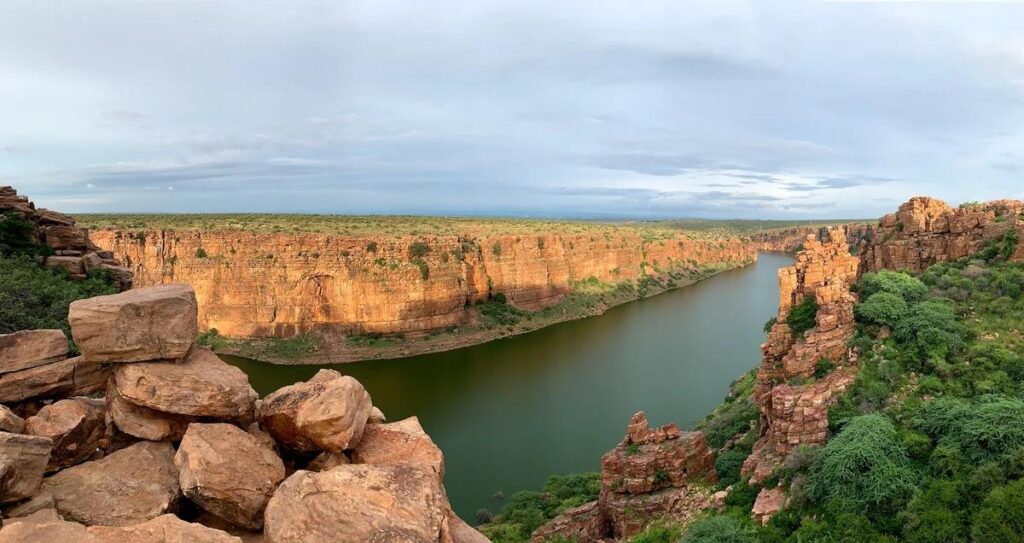
The name Gandikota comes from two Telugu words: “Gandi,” meaning gorge, and “Kota,” meaning fort. The village sits beside the Pennar River, which has carved a massive gorge between the Erramala hills over thousands of years. The dramatic cliffs, deep valley, and flowing river create a landscape that is rarely seen elsewhere in South India.
Gandikota – One of the Best Places to Visit in Kadapa
Gandikota is often called the “Grand Canyon of India” because of its stunning gorge carved by the Pennar River. Massive red granite cliffs, breathtaking viewpoints, and historical structures make this place one of the most beautiful destinations in South India.
The name Gandikota comes from the Telugu words “Gandi” (gorge) and “Kota” (fort)
The Stunning Pennar Gorge
The main attraction of Gandikota is undoubtedly the magnificent gorge formed by the Pennar River. Standing on the edge of the rocky cliffs and looking down at the river flowing through the valley creates a truly unforgettable experience. During sunrise and sunset, the entire landscape turns golden, making it a paradise for photographers.
Unlike many crowded tourist destinations, Gandikota still maintains its peaceful atmosphere. Visitors can spend hours simply sitting near the viewpoint and enjoying the silence, cool breeze, and scenic beauty.
History of Gandikota – A Place to Visit in Kadapa
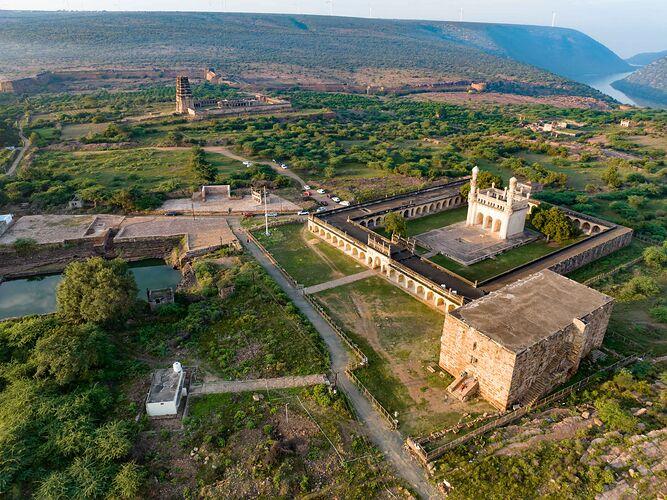
The historic Gandikota Fort was built during the 13th century and later expanded by various dynasties including the Kamma kings and the Vijayanagara rulers. Massive stone walls, ancient gateways, and defensive structures showcase the remarkable military architecture of the period.
Inside the fort, visitors can explore:
Ranganatha Swamy Temple
Madhavaraya Temple
Jamia Masjid
Ancient granaries
Large water tanks
Old prison structures
Walking through these ruins gives visitors a glimpse into the glorious past of the region.
Gandikota Fort – The Pride of Kadapa
The magnificent Gandikota Fort is undoubtedly the heart of this destination and must-visit places in Kadapa.
Spread across several acres, the fort showcases impressive engineering techniques that have survived for centuries. Thick granite walls, huge entrance gates, underground passages, and strategic watchtowers demonstrate how carefully the fort was designed for defense.
As visitors explore the fort, they’ll discover several remarkable structures hidden within its walls.
Some of the highlights include:
Some of the highlights include:
Massive entrance gateway
Ancient fort walls
Royal granaries
Old prison cells
Water reservoirs
Stone pathways
Historic watchtowers
Defensive bastions
The peaceful atmosphere inside the fort allows visitors to appreciate its historical significance while enjoying panoramic views of the surrounding landscape.
Best Viewpoints in Gandikota
Gandikota offers several excellent viewpoints, each providing a different perspective of the magnificent canyon.
Main Canyon Viewpoint
This is the most famous viewpoint and the one featured in most travel photographs. It offers a wide panoramic view of the Pennar Gorge and surrounding cliffs.
Sunset Point
As evening approaches, this viewpoint becomes one of the most popular spots. The golden sunlight reflects beautifully on the granite rocks, creating stunning photography opportunities.
Sunrise Point
As evening approaches, this viewpoint becomes one of the most popular spots. The golden sunlight reflects beautifully on the granite rocks, creating stunning photography opportunities.
Sunrise Point
Early morning visitors are rewarded with peaceful surroundings, cool weather, and soft sunlight illuminating the canyon.
Fort Wall View
Some sections of the ancient fort walls overlook the gorge, offering a unique combination of history and natural beauty in a single frame.
Camping and Adventure Activities
Gandikota has become a popular visited place in kadapa in recent years. Several tourism operators organize overnight camping experiences near the gorge. Visitors can enjoy:
Tent camping
Bonfire activities
Kayaking
Rock climbing
Trekking
Stargazing
The clear night sky and peaceful surroundings make camping at Gandikota a memorable experience.
Key Attractions
- Gandikota Fort
- Pennar River Gorge Viewpoint
- Madhavaraya Temple
- Ranganatha Swamy Temple
- Jamia Masjid
- Camping and Sunrise Viewpoints
The sunset view from the gorge is one of the most memorable experiences in Andhra Pradesh.
Camping Experience
Camping near the gorge has become extremely popular among travelers. Watching the sunrise over the canyon while enjoying the cool breeze creates an unforgettable experience.
Best Time to Visit
The ideal time to visit Gandikota is between October and February when the weather remains pleasant. Summers can be extremely hot, while the monsoon season brings greenery to the region.
How to Reach
- Nearest city: Kadapa (80 km)
- Nearest railway station: Jammalamadugu
- Nearest airport: Kadapa Airport
- Regular buses and taxis are available from Kadapa.
2.Ontimitta Kodandarama Swamy Temple
Nestled in the peaceful village of Ontimitta in the YSR Kadapa district of Andhra Pradesh, the Ontimitta Kodandarama Swamy Temple is one of the most religious place in kadapa, state’s most magnificent historical and spiritual landmarks. Unlike many popular temples that attract visitors only during festivals, Ontimitta welcomes devotees, history enthusiasts, photographers, and architecture lovers throughout the year.
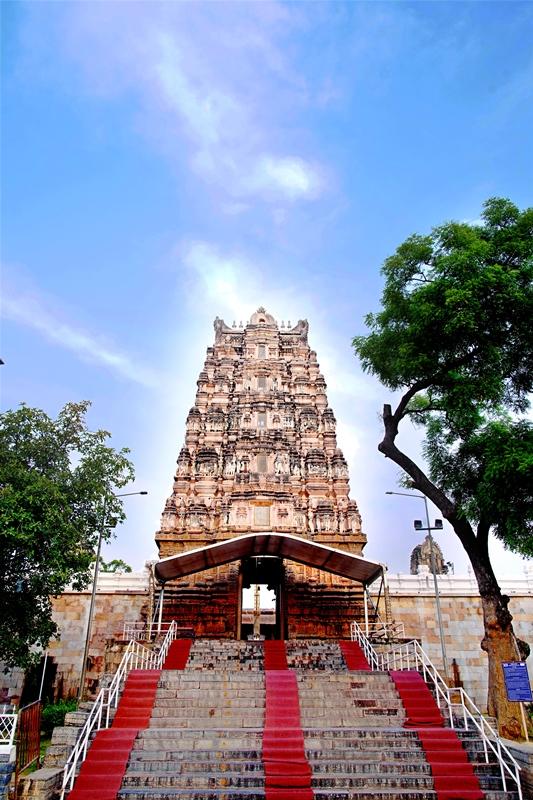
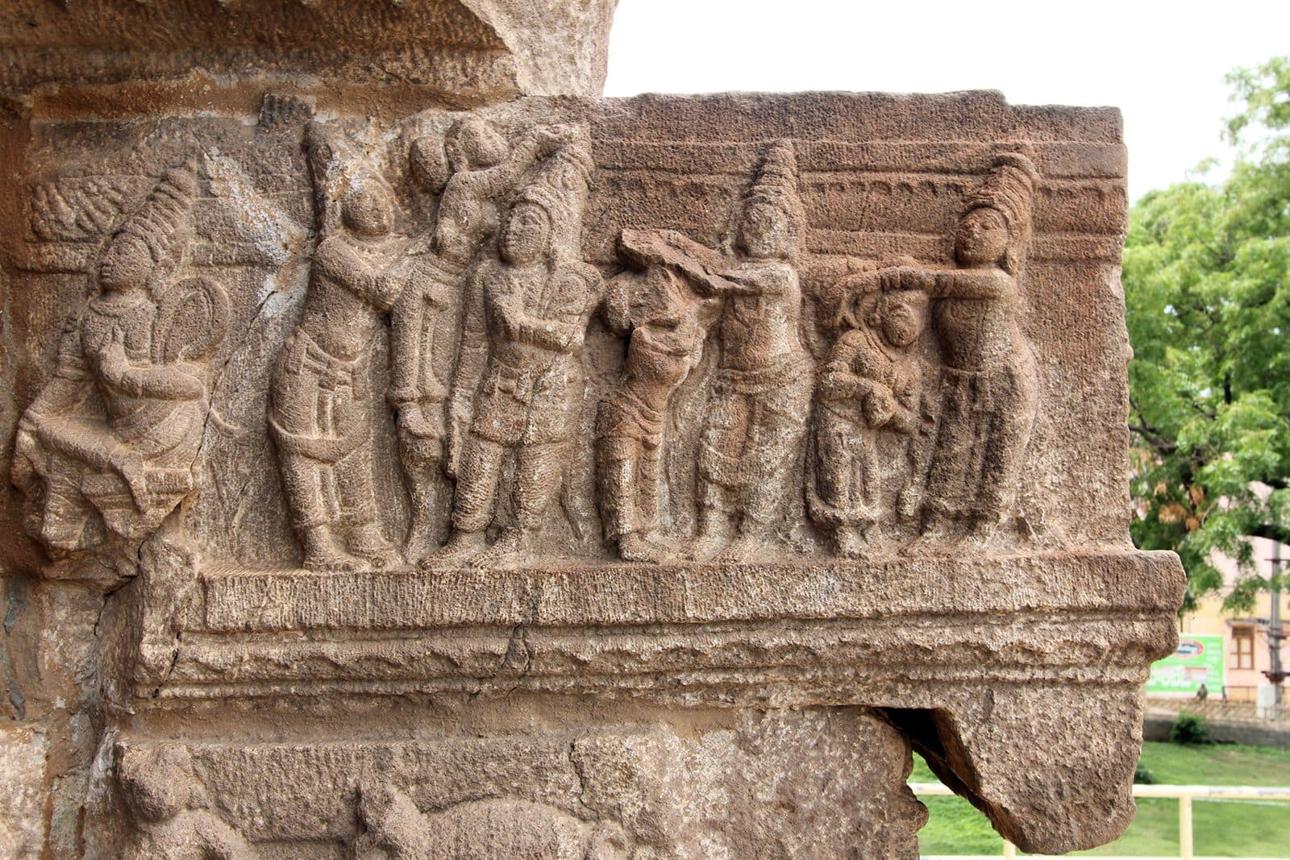
The temple is renowned for its breathtaking Vijayanagara-style architecture, intricate stone carvings, towering gopuram, and its rare idol of Lord Rama seated alongside Goddess Sita and Lord Lakshmana, all carved from a single block of stone. This extraordinary feature alone makes the temple one of the finest examples of Indian craftsmanship.
Walking through the temple complex feels like stepping back several centuries into an era where art, devotion, engineering, and culture blended seamlessly. Every carved pillar, every sculpture, and every corner of the temple narrates stories from the epic Ramayana while showcasing the incredible skills of ancient artisans.
Whether you’re planning a spiritual pilgrimage, a cultural tour, or a heritage photography trip, Ontimitta Kodandarama Swamy Temple deserves a prominent place on your Kadapa travel itinerary.
Architectural Brilliance and Historical Importance
The temple was built during the 15th century and reflects the grandeur of the Vijayanagara Empire. The beautifully carved pillars, sculptures, and intricate stone work display extraordinary craftsmanship.
Visitors can admire:
- Massive Rajagopuram
- Detailed carvings of Ramayana scenes
- Large temple courtyard
- Stone pillars with artistic designs
- Ancient inscriptions
Every wall and pillar tells a story from Indian mythology.
The temple holds special importance during Sri Rama Navami celebrations. Thousands of devotees gather here to witness the celestial wedding ceremony of Lord Rama and Sita.
The peaceful atmosphere, devotional chants, and historical surroundings make Ontimitta a spiritually enriching destination.
The Story Behind the Name “Ontimitta”
The village name “Ontimitta” is believed to have originated from two devoted followers of Lord Rama named Ontudu and Mittudu. According to local folklore, these two individuals were once feared robbers who later transformed into devoted followers after experiencing divine blessings from Lord Rama.
Moved by their devotion, they dedicated their lives to serving the Lord and eventually helped establish the temple. The village was later named after them by combining their names—Ontudu and Mittudu—forming “Ontimitta.”
Though this story is rooted in legend rather than documented history, it remains deeply cherished among local devotees and contributes to the temple’s spiritual identity.
The Unique Idol Carved from a Single Stone
Perhaps the temple’s greatest attraction is its extraordinary main deity.
Unlike most Rama temples where Lord Rama, Goddess Sita, and Lord Lakshmana are represented by separate idols, Ontimitta features all three divine figures carved together from a single massive stone.
This monolithic sculpture symbolizes unity, permanence, and divine harmony.
The expressions carved onto the faces of the deities are incredibly lifelike. Lord Rama appears calm and compassionate, Goddess Sita radiates grace and serenity, while Lakshmana stands with unwavering devotion and readiness to serve.
Creating such a sculpture from a single rock required exceptional precision and artistic mastery, making it one of the finest examples of Indian stone craftsmanship.
For devotees, this unique idol represents the inseparable bond between dharma, devotion, and family values
Beautiful Stone Carvings That Tell Stories
Every pillar inside the temple serves as a masterpiece of storytelling.
Visitors can spend hours admiring the detailed carvings depicting scenes from the Ramayana, including:
Rama breaking Lord Shiva’s bow
The wedding of Rama and Sita
Hanuman crossing the ocean
The battle between Rama and Ravana
The coronation of Lord Rama
Various celestial beings and sages
Floral and geometric decorative motifs
Mythological animals and divine guardians
The ceilings are equally impressive, featuring lotus medallions, ornamental patterns, and intricate symmetrical designs that continue to amaze architects and historians.
Each sculpture demonstrates not only artistic excellence but also deep religious symbolism, making the temple an open-air museum of medieval Indian sculpture.
Why Ontimitta Temple Is Among the Best Places to Visit in Kadapa?
The most spectacular time to visit Ontimitta is during Sri Rama Navami, the celebration of Lord Rama’s birth.
Every year, the temple transforms into a vibrant center of devotion and celebration.
Thousands of devotees gather from different states to witness:
The celestial wedding ceremony (Sita Rama Kalyanam)
Traditional Vedic rituals
Temple processions
Classical music performances
Spiritual discourses
Decorative lighting throughout the temple
Cultural programs celebrating the Ramayana
The Andhra Pradesh Government officially organizes the annual Sita Rama Kalyanam at Ontimitta, making it one of the state’s most significant religious events.
During the festival, the temple becomes a colorful blend of devotion, tradition, music, and community spirit.
Travel Tips for Visitors
To make the most of your visit:
Start your journey early in the morning to avoid the afternoon heat.
Wear modest and comfortable clothing suitable for a temple visit.
Remove footwear before entering the temple premises.
Carry drinking water, especially during summer.
Respect local customs and maintain silence inside the sanctum.
Photography may be restricted inside certain areas, so check with temple authorities before taking pictures.
Visit during weekdays if you prefer a quieter experience.
Allocate at least two to three hours to fully explore the temple’s architecture and carvings.
Key Attractions
- Majestic Rajagopuram
- Intricate stone carvings
- Large temple courtyard
- Historical inscriptions
- Annual Sri Rama Navami celebrations
The temple gains special significance because the state-level Sri Rama Navami celebrations are conducted here.
Best Time to Visit
November to March is ideal.
How to Reach
Reaching Ontimitta is convenient due to its proximity to Kadapa city
By Road
The temple is located approximately 22 kilometers from Kadapa and is easily accessible by private vehicles, taxis, and APSRTC buses. The roads are well maintained, making it a comfortable drive for both local visitors and tourists.
By Rail
The nearest railway station is Ontimitta Railway Station, where a few passenger trains halt. For better connectivity, travelers can use Kadapa Railway Station, which has regular train services connecting major cities like Hyderabad, Tirupati, Vijayawada, Bengaluru, and Chennai.
By Air
The nearest airport is Kadapa Airport, located around 30 kilometers away. Visitors can also choose Tirupati Airport for wider flight connectivity before continuing by road.
why Ontimitta Temple – One of the Best Places to Visit in Kadapa?
Ontimitta Kodandarama Swamy Temple is much more than a place of worship. It is a living monument that beautifully preserves the artistic excellence, engineering brilliance, spiritual traditions, and cultural heritage of ancient South India. Every stone within the temple reflects centuries of devotion, craftsmanship, and history, making it one of the most treasured heritage sites in Andhra Pradesh.
Whether you are fascinated by history, inspired by architecture, devoted to Lord Rama, or simply looking for peaceful destinations away from crowded tourist spots, Ontimitta offers an unforgettable experience. From its rare monolithic idol and intricately carved pillars to its tranquil atmosphere and grand Sri Rama Navami celebrations, every aspect of the temple leaves a lasting impression on visitors.
A journey to Kadapa feels incomplete without witnessing the timeless beauty of Ontimitta Kodandarama Swamy Temple. It is a destination where faith meets history, art meets spirituality, and every visit becomes a memorable chapter in your travel story.
3.Sidhout Fort – Gateway to Dakshina Kasi
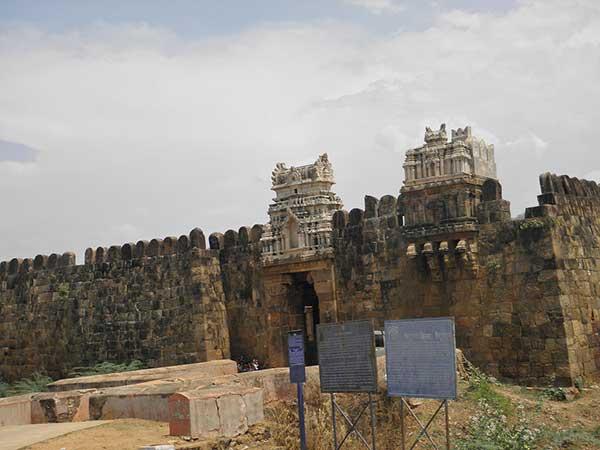
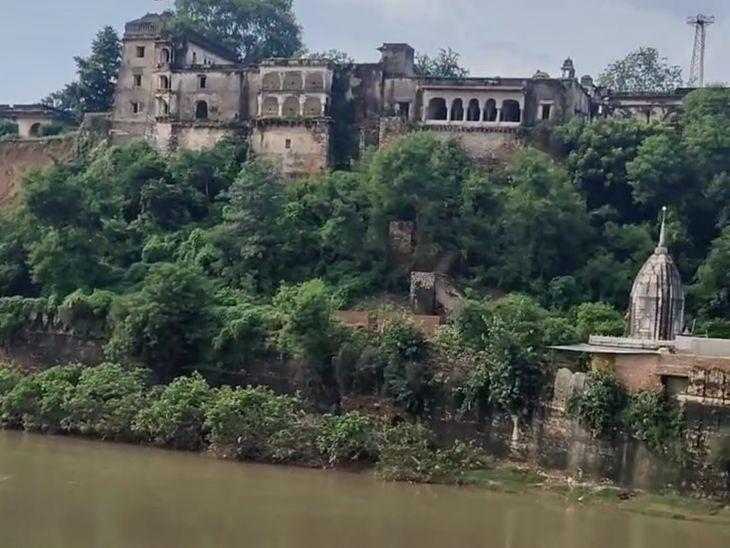
Nestled peacefully on the banks of the majestic Pennar River, Sidhout Fort is one of the most fascinating yet underrated historical destinations Place in the YSR Kadapa district of Andhra Pradesh. Unlike many crowded tourist attractions, Sidhout offers visitors a rare opportunity to experience history, architecture, spirituality, and natural beauty in a calm and relaxing atmosphere. Often referred to as the “Gateway to Dakshina Kasi,” this historic town has served as an important military outpost, administrative center, and cultural hub for several centuries.
Although Gandikota usually steals the spotlight among travelers exploring Kadapa, Sidhout Fort quietly preserves the stories of powerful dynasties, ancient battles, and architectural excellence. Walking through its massive stone walls feels like stepping back into medieval South India, where kings, soldiers, traders, and pilgrims once crossed its gates.
Whether you are passionate about history, interested in heritage photography, or simply looking for an offbeat destination in Andhra Pradesh, Sidhout Fort promises an unforgettable journey through time.
History of Sidhout Fort
The history of Sidhout Fort dates back several centuries and reflects the rise and fall of multiple South Indian kingdoms. Due to its strategic location along the Pennar River, Sidhout became an important defensive stronghold that controlled trade routes and protected nearby settlements.
The fort is believed to have been originally developed during the rule of the Vijayanagara Empire, one of the greatest kingdoms in South Indian history. Its location made it ideal for military defense, allowing rulers to monitor movements across the region while safeguarding valuable trade routes connecting Rayalaseema with neighboring territories.
After the decline of the Vijayanagara Empire, Sidhout came under the control of several powerful dynasties, including the Golconda Sultanate, the Mughals, and later the Nawabs of Kadapa. Each ruler left behind architectural influences that can still be observed within the fort’s structures today.
During the British colonial period, Sidhout gradually lost its military significance, but its historical monuments survived as reminders of the region’s glorious past. Today, the fort stands as a protected heritage site, attracting historians, photographers, architecture enthusiasts, and travelers who wish to explore a lesser-known chapter of Andhra Pradesh’s history.
Sidhout Fort – One of the Best Places to Visit in Kadapa
Sidhout has earned the title “Gateway to Dakshina Kasi” because it serves as an important entry point to several sacred temples and pilgrimage centers in southern Andhra Pradesh. For centuries, devotees traveling to famous spiritual destinations passed through Sidhout before continuing their religious journey.
The town has long been associated with spirituality and devotion, making it much more than just a military fort. Ancient temples, peaceful riverbanks, and religious traditions have transformed Sidhout into a place where history and faith exist side by side.
Many pilgrims still visit Sidhout before exploring nearby temples, believing that beginning their journey here brings blessings and good fortune.
Strategic Location on the Banks of the Pennar River
One of the greatest strengths of Sidhout Fort is its location beside the beautiful Pennar River, one of the major rivers flowing through Andhra Pradesh.
The river served several important purposes throughout history.
It acted as a natural defensive barrier against enemy attacks, provided a reliable source of fresh water for soldiers and local communities, supported agriculture in nearby villages, and helped facilitate trade between different regions.
Even today, the peaceful river adds enormous charm to the historic surroundings. During sunrise and sunset, the reflection of the fort walls on the calm waters creates breathtaking views that attract photographers and nature lovers alike.
The combination of flowing water, ancient stone architecture, and lush greenery creates an atmosphere that is both peaceful and historically significant.
Why Visit Sidhout Fort?
Situated on the banks of the Pennar River, Sidhout Fort has great historical significance. The fort was built during the Vijayanagara period and later occupied by various rulers.
The town is often called the “Gateway to Dakshina Kasi.”
Major Attractions Inside and Around Sidhout Fort
Although much of the fort now exists in ruins, several fascinating structures continue to attract visitors.
Ancient Fort Walls
The towering stone walls remain one of the fort’s most impressive features. Built to withstand enemy attacks, these walls showcase the remarkable engineering skills of medieval architects.
The scenic riverbank creates a calm and relaxing atmosphere.
Historic Entrance Gate
The main gateway still reflects the grandeur of the fort’s glorious past. Its massive stone construction provides a glimpse into the military importance of Sidhout during ancient times.
Watch Towers
The elevated watchtowers allowed soldiers to monitor approaching armies and protect the kingdom. Visitors can still explore parts of these structures while enjoying panoramic views of the surrounding landscape.
Pennar River Viewpoint
The riverbank near the fort offers spectacular scenic views throughout the year. It is an ideal location for relaxing, photography, and appreciating the natural beauty of Rayalaseema.
Ancient Temples Nearby
Several temples around Sidhout reflect the town’s deep spiritual roots. These temples continue to attract devotees and add cultural significance to every visit.
Stone Pathways
Walking along the old stone pathways provides visitors with an authentic experience of exploring a centuries-old military fort.
A Paradise for History Lovers
History enthusiasts will find Sidhout Fort incredibly rewarding because every section of the fort reveals another layer of Andhra Pradesh’s fascinating past.
Unlike restored monuments with modern additions, Sidhout preserves much of its original character. The weathered walls, abandoned chambers, and ancient gateways offer a realistic picture of medieval military life.
Visitors interested in archaeology, architecture, and South Indian history can spend hours exploring the fort while imagining how it functioned centuries ago.
Best Time to Visit
October to February.
How to Reach
Sidhout is around 25 km from Kadapa city and can be reached by road.
4.Pushpagiri Temple Complex
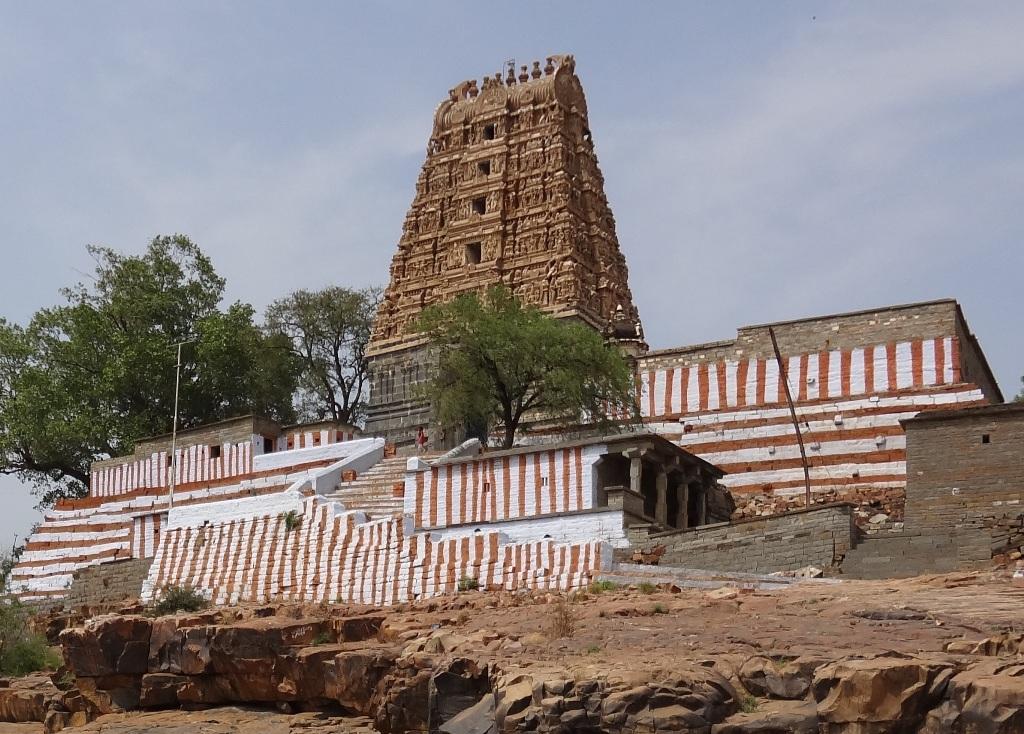
Nestled peacefully on the banks of the sacred Pennar River in YSR Kadapa district, the Pushpagiri Temple Complex is one of Andhra Pradesh’s most fascinating yet underrated spiritual destination place in Kadapa. Unlike many famous temple towns that attract huge crowds throughout the year, Pushpagiri offers a calm, divine atmosphere where history, architecture, mythology, and spirituality come together beautifully.
The temple complex is often referred to as the Harihara Kshetram, a rare pilgrimage site where devotees worship both Lord Shiva and Lord Vishnu with equal devotion. This unique combination symbolizes harmony between the Shaivite and Vaishnavite traditions, making Pushpagiri a sacred destination for followers of both.
Despite its immense religious and historical significance, Pushpagiri remains one of the lesser-explored gems of Andhra Pradesh. Travelers who visit this ancient temple complex often describe it as a peaceful escape from busy tourist destinations, where every stone, sculpture, and shrine tells a story that has survived for centuries.
Whether you are a spiritual seeker, a history enthusiast, an architecture lover, or simply someone looking to explore hidden places in Kadapa, Pushpagiri promises an unforgettable experience.
The Fascinating History Behind Pushpagiri
The history of Pushpagiri dates back more than a thousand years. Historians believe that the temples were developed and expanded during the rule of several powerful South Indian dynasties, including the Cholas, Chalukyas, Kakatiyas, and the Vijayanagara Empire.
Each dynasty contributed to the temple complex by constructing new shrines, carving intricate sculptures, and preserving religious traditions. Because of these continuous additions over centuries, Pushpagiri today represents multiple architectural styles that evolved across different periods of South Indian history.
Ancient inscriptions found inside the complex provide valuable information about temple donations, kings, scholars, and religious activities. These inscriptions have helped historians understand the importance of Pushpagiri as a major center of learning, devotion, and temple culture during medieval India.
Many researchers also believe that Pushpagiri once served as an important pilgrimage stop connecting several famous temples across southern India.
Why is Pushpagiri Called Harihara Kshetram?
One of the biggest reasons Pushpagiri stands out from other temple complexes is its identity as a Harihara Kshetram.
The word Hari refers to Lord Vishnu, while Hara refers to Lord Shiva.
In many parts of India, devotees often primarily worship either Shiva or Vishnu. However, Pushpagiri celebrates both deities equally, promoting the idea that all paths of devotion ultimately lead to the same divine truth.
This spiritual philosophy attracts devotees from different traditions who visit the temple seeking blessings, peace, prosperity, and inner harmony.
For many pilgrims, this unity between two major Hindu traditions makes Pushpagiri an especially sacred destination.
A Unique Harihara Kshetram
Pushpagiri is one of the most sacred temple complexes in Andhra Pradesh. It is known as a Harihara Kshetram because both Lord Shiva and Lord Vishnu are worshipped here.
The temple complex contains several ancient temples built over many centuries.
Mythological Importance of Pushpagiri
According to local legends, sages performed intense penance in this sacred region for many years.
The peaceful surroundings, flowing Pennar River, and natural beauty created the perfect environment for meditation and spiritual practices.
Many devotees believe that the land itself possesses divine energy because countless saints, scholars, and spiritual leaders worshipped here over centuries.
Several stories also associate Pushpagiri with ancient Hindu scriptures, further increasing its religious importance among pilgrims.
Peaceful Location on the Banks of the Pennar River
One of the most beautiful aspects of Pushpagiri is its scenic location.
Situated beside the Pennar River, the temple complex enjoys a naturally calm atmosphere that enhances the spiritual experience.
Early mornings are particularly magical.
As sunlight gently illuminates the temple towers and reflects on the flowing river, the surroundings become incredibly serene.
Birdsong, cool river breezes, and temple bells create an atmosphere that helps visitors disconnect from the stress of daily life.
Many devotees spend quiet moments sitting near the river after offering prayers.
Festivals Celebrated at Pushpagiri
Although Pushpagiri remains peaceful throughout the year, the temple comes alive during major Hindu festivals.
Some of the important celebrations include:
Maha Shivaratri
Thousands of Shiva devotees visit the temple throughout the day and night to perform Abhishekam, Rudrabhishekam, and special prayers.
The temple remains beautifully decorated with flowers and traditional lamps.
Vaikuntha Ekadashi
Dedicated to Lord Vishnu, this festival attracts large numbers of devotees who seek the blessings of Chennakesava Swamy.
Special rituals, devotional songs, and temple processions make the celebration memorable.
Karthika Masam
The holy month of Karthika is considered especially auspicious for worshipping Lord Shiva.
Devotees light hundreds of traditional oil lamps around the temple complex, creating a mesmerizing spiritual atmosphere during the evenings.
What Makes Pushpagiri Special?
Unlike many crowded pilgrimage centers, Pushpagiri offers a unique combination of spirituality, history, architecture, and natural beauty.
Visitors appreciate the destination because it provides:
Peaceful surroundings without heavy tourist crowds
Ancient temples with remarkable architecture
Rich historical significance
Rare Harihara Kshetram tradition
Scenic riverside location
Excellent photography opportunities
Spiritual atmosphere perfect for meditation
Hidden heritage waiting to be explored
For travelers looking beyond commercial tourist attractions, Pushpagiri offers an authentic cultural experience.
Key Attractions
- Chennakesava Swamy Temple
- Vaidyanatheswara Temple
- Ancient stone pillars
- Riverbank surroundings
- Historic temple architecture
The peaceful atmosphere attracts both pilgrims and history enthusiasts.
Best Time to Visit
October to March.
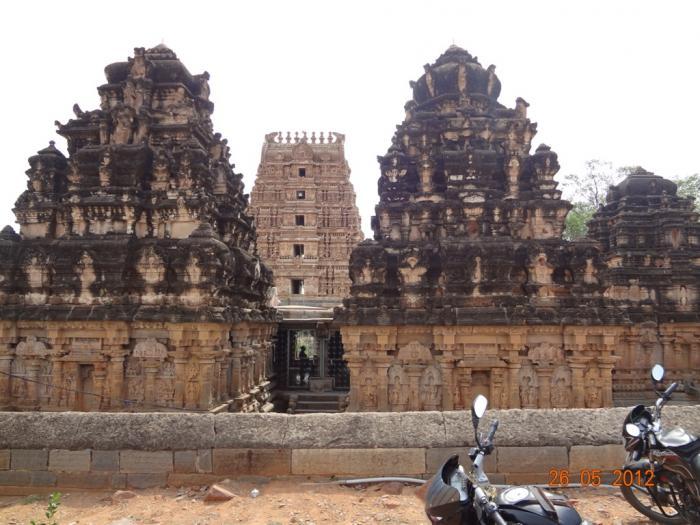
5.Tallapaka – Birthplace of Saint Annamacharya
Tallapaka is much more than a small village in Andhra Pradesh. It is one of the most spiritually and culturally significant destination Place in Kadapa of South India because it is the birthplace of the legendary saint-poet Annamacharya, popularly known as Annamayya. Every year, thousands of devotees, music lovers, scholars, and history enthusiasts visit this sacred village to experience its rich heritage and pay tribute to the man whose devotional songs continue to inspire millions across generations.
Unlike crowded tourist destinations, Tallapaka offers visitors a calm and spiritually uplifting atmosphere. The village beautifully preserves the memories of Annamacharya’s life while showcasing the traditions of Telugu literature, Carnatic music, and ancient temple architecture. Walking through the narrow village roads, surrounded by greenery and centuries-old temples, gives visitors a feeling of stepping back into a glorious chapter of Andhra Pradesh’s cultural history.
Whether you are a devotee seeking blessings, a traveler interested in history, or someone who appreciates music and literature, Tallapaka offers an unforgettable experience that touches both the heart and soul.
Why Tallapaka Is One of the Best Places to Visit in Kadapa?
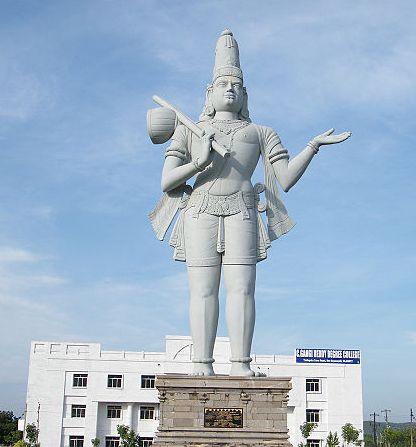
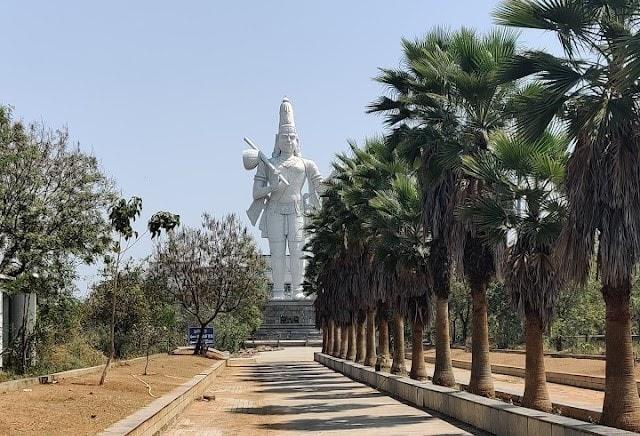
Tallapaka is internationally recognized as the birthplace of Sri Tallapaka Annamacharya, one of India’s greatest devotional poets and composers. Born in the 15th century, Annamacharya dedicated his entire life to the worship of Lord Venkateswara of Tirumala. He is widely regarded as the first great composer of Telugu devotional music and is often called the “Pada Kavita Pitamaha” (Father of Telugu Devotional Poetry).
Historical records suggest that Annamacharya composed more than 32,000 Sankirtanas (devotional songs) in praise of Lord Venkateswara. His compositions beautifully express devotion, philosophy, social values, equality, and the importance of surrendering to God. Even after several centuries, many of his songs continue to be sung daily in temples, music concerts, and religious festivals across India.
Tallapaka proudly preserves the legacy of this extraordinary saint, making it a must-visit destination for anyone interested in spirituality, Indian classical music, Telugu culture, or literary history.
The Remarkable Life of Saint Annamacharya
Annamacharya was born in Tallapaka around 1408 CE into a respected Telugu Brahmin family. From a very young age, he displayed deep spiritual wisdom and an extraordinary love for devotional music. Legends say that Lord Venkateswara himself blessed the young Annamayya, inspiring him to dedicate his life to composing devotional songs.
Instead of pursuing wealth or royal positions, Annamacharya chose a path of devotion and simplicity. Throughout his life, he traveled extensively, visited sacred temples, and composed thousands of hymns celebrating the glory of Lord Venkateswara. His compositions were not only devotional but also socially progressive. He believed that every individual, regardless of caste, gender, or social status, deserved equal respect before God.
His teachings promoted compassion, humility, kindness, and universal devotion—values that remain relevant even today.
The Birthplace Memorial
One of the main attractions in Tallapaka is the beautifully maintained Annamacharya Birthplace Memorial, built to honor the great saint-poet. This sacred site marks the place where Annamacharya was born and spent his early childhood.
The memorial complex is peaceful, clean, and surrounded by gardens, making it an ideal place for quiet reflection. Visitors can explore beautifully carved sculptures, informative displays about Annamacharya’s life, and artistic representations of his devotional journey.
The memorial also features statues depicting important moments from his life, allowing visitors to better understand his spiritual transformation and literary achievements. Many tourists spend time here reading about his compositions and appreciating his immense contribution to Telugu literature.
Annamacharya Dhyana Mandiram
One of the most peaceful places in Tallapaka is the Annamacharya Dhyana Mandiram, a meditation hall dedicated to the saint-poet’s spiritual legacy.
Unlike busy pilgrimage centers, the Dhyana Mandiram offers complete tranquility. Soft devotional music, calm surroundings, and simple architecture create an atmosphere that encourages inner peace and reflection.
Visitors often spend time meditating, listening to Annamacharya’s compositions, or simply enjoying the silence. For many travelers, this becomes one of the most memorable experiences in Tallapaka because it provides a rare opportunity to disconnect from daily stress and reconnect with spiritual values.
What Makes Tallapaka Special?
Tallapaka is not just another pilgrimage destination—it is a place where music, devotion, literature, and history come together in perfect harmony.
What makes this village truly unique is that it celebrates spirituality through art and music rather than grandeur alone. Every temple, memorial, and monument tells the story of a humble poet whose songs continue to unite people through devotion.
Visitors often leave Tallapaka with a renewed appreciation for Telugu culture, Indian classical music, and the timeless teachings of Annamacharya.
History of Tallapaka – One of the Best Places to Visit in Kadapa
Tallapaka is famous as the birthplace of the legendary saint-poet Annamacharya, who composed thousands of devotional songs dedicated to Lord Venkateswara.
The village preserves the memory and cultural heritage of one of Telugu literature’s greatest personalities.
Key Attractions
- Annamacharya Memorial
- Birthplace monument
- Temples dedicated to the saint
- Cultural programs
- Historical sites
Music lovers and devotees often visit Tallapaka to understand the legacy of Annamacharya.
Best Time to Visit
The ideal time to visit Tallapaka is between October and March, when the weather is pleasant and comfortable for sightseeing.
The monsoon season also adds greenery to the surrounding countryside, making the village especially scenic. However, summers (April to June) can be quite hot, with temperatures often exceeding 40°C, making daytime travel less comfortable.
If possible, plan your trip during Annamacharya Jayanthi or other temple festivals to witness vibrant cultural celebrations and devotional music performances.
How to Reach
Tallapaka is well connected by road and can be easily reached from major cities in Andhra Pradesh.
- By Road: Regular buses and taxis are available from Kadapa, Rajampet, Tirupati, and nearby towns. The roads are well maintained, making it a comfortable drive.
- By Rail: The nearest railway station is Rajampet Railway Station, located about 10–15 km from Tallapaka. From the station, visitors can hire taxis or auto-rickshaws to reach the village.
- By Air: The nearest airport is Kadapa Airport, while Tirupati Airport offers better connectivity with major Indian cities. From either airport, taxis and buses are available to Tallapaka.
Why Tallapaka Should Be on Your Kadapa Travel Itinerary
Among all the attractions in YSR Kadapa district, Tallapaka stands apart because it offers an experience that is both spiritually enriching and culturally inspiring. It is not simply a destination to see—it is a place to feel. From the birthplace of one of India’s greatest devotional composers to ancient temples, peaceful meditation halls, fascinating museums, and centuries-old traditions, every part of Tallapaka tells a story of unwavering faith and artistic brilliance.
If you wish to discover the soul of Andhra Pradesh’s devotional heritage, immerse yourself in timeless Carnatic music, and experience the enduring legacy of Saint Annamacharya, then Tallapaka deserves a prominent place on your Kadapa travel itinerary.
6.Ameen Peer Dargah (Pedda Dargah)
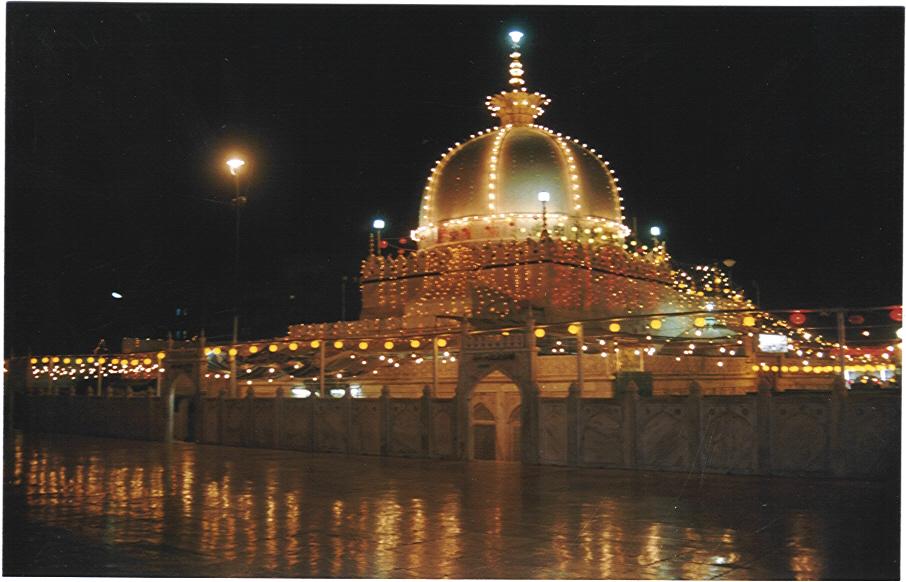
Located in the heart of Kadapa city, Ameen Peer Dargah, popularly known as Pedda Dargah, is one of the most respected and famous spiritual Place in Kadapa. Every year, lakhs of devotees from different states and religions visit this holy place seeking peace, blessings, and hope. Unlike many religious sites that are visited only by followers of a particular faith, Pedda Dargah is a remarkable example of communal harmony where people from all backgrounds pray together with equal devotion.
The shrine is dedicated to the revered Sufi saint Hazrat Syed Shah Ameenullah Hussaini, affectionately known as Ameen Peer. According to local belief, the saint devoted his entire life to spirituality, compassion, and helping people regardless of their religion or social status. Even centuries after his passing, devotees believe that his blessings continue to guide those who visit the dargah with sincere faith.
Whether you are a spiritual seeker, a history enthusiast, or a traveler exploring the cultural richness of Andhra Pradesh, Ameen Peer Dargah offers an experience that is peaceful, meaningful, and unforgettable.
Why is Ameen Peer Dargah So Famous?
Ameen Peer Dargah is widely known for its peaceful atmosphere, historical importance, and the unwavering faith of millions of devotees. It has earned a reputation as a place where prayers are answered and wishes are fulfilled. Visitors often come to seek blessings for health, education, marriage, career growth, business success, and family well-being.
One of the most inspiring aspects of the dargah is its inclusive nature. People belonging to Islam, Hinduism, Christianity, Sikhism, and several other faiths visit the shrine throughout the year. This beautiful tradition reflects the timeless Sufi message of love, equality, humanity, and service.
Many visitors describe an overwhelming feeling of calmness as soon as they enter the dargah premises. The soothing sound of prayers, the fragrance of flowers and incense, and the respectful silence maintained by devotees create a spiritually uplifting environment that leaves a lasting impression.
The History of Ameen Peer Dargah
The history of Ameen Peer Dargah dates back several centuries and is deeply rooted in the traditions of Sufism. Hazrat Syed Shah Ameenullah Hussaini is believed to have traveled across different regions spreading the teachings of peace, compassion, humility, and devotion to God.
His message emphasized that every human being deserves kindness, respect, and love regardless of caste, religion, or background. Because of his wisdom and selfless service, he earned immense respect among the local people. After his passing, his final resting place gradually became a major pilgrimage center attracting devotees from all parts of the country.
Over the years, the dargah has evolved into one of Andhra Pradesh’s most important spiritual landmarks while preserving its historical charm and religious significance
Architectural Beauty of the Dargah
Although Ameen Peer Dargah is primarily known for its spiritual importance, its architecture is equally captivating. The white-colored structure, elegant domes, beautifully designed arches, intricate carvings, and peaceful courtyards showcase the timeless beauty of Indo-Islamic architecture.
As visitors walk through the entrance, they are welcomed into a serene atmosphere where every corner reflects simplicity and devotion rather than grandeur. The marble pathways, decorative calligraphy, colorful prayer flags, and well-maintained surroundings add to the spiritual charm of the shrine.
The central tomb, where devotees offer flowers, chadars, and prayers, remains the heart of the complex. The calm surroundings encourage visitors to spend time in silent reflection and prayer.
Spiritual Experience at the Dargah
Visiting Ameen Peer Dargah is not just about sightseeing; it is a deeply emotional and spiritual experience.
Devotees usually begin their visit by washing their hands before entering the shrine. Many offer floral garlands, green chadars, incense sticks, and prayers at the saint’s tomb. Some quietly sit in meditation, while others recite prayers or simply spend time appreciating the peaceful surroundings.
The atmosphere inside the dargah is filled with devotion rather than noise. Visitors often mention that spending even a few minutes here helps them feel mentally relaxed and emotionally refreshed.
Regardless of one’s religious beliefs, the calm environment makes it an ideal place for reflection, gratitude, and spiritual healing.
Celebrity Visits That Increased Its Popularity
Over the years, Ameen Peer Dargah has gained national recognition because many well-known personalities have visited the shrine to seek blessings before important milestones in their lives and careers.
Several Indian film actors, actresses, politicians, sports personalities, and business leaders have paid their respects at the dargah. Members of the Telugu film industry, in particular, are known to visit before movie releases or major life events.
These visits have increased public awareness about the shrine, but the true significance of Pedda Dargah continues to lie in its spiritual atmosphere rather than celebrity attention. Every visitor, regardless of status or fame, is welcomed with the same warmth and respect.
| Celebrity | Profession | Purpose of Visit |
|---|---|---|
| A. R. Rahman | Music Composer | Visited the dargah to seek blessings before important projects. His visit is one of the most well-known and is often associated with the shrine. |
| Aishwarya Rai | Actress | Visited along with family to offer prayers and seek blessings. |
| Abhishek Bachchan | Actor | Paid respects at the dargah during a visit to Kadapa. |
| Jaya Bachchan | Actress & Politician | Visited the shrine to offer prayers. |
| Mohammed Rafi | Legendary Singer | Historical accounts mention his visit to the dargah. |
| Ram Charan | Actor | Visited the dargah in 2024 and offered prayers. |
Symbol of Communal Harmony
Ameen Peer Dargah, popularly known as Pedda Dargah, is one of the most respected religious sites in South India.
People from all religions visit the dargah to seek blessings, making it a strong symbol of communal harmony.
Key Attractions
- Beautiful dargah architecture
- Spiritual atmosphere
- Annual Urs celebrations
- Devotional gatherings
- Peaceful environment
Things to Do During Your Visit
Apart from offering prayers, visitors can enjoy several meaningful experiences at Pedda Dargah.
Spend a few peaceful moments in silent meditation.
Observe the beautiful architectural details.
Learn about Sufi traditions and their message of universal love.
Interact respectfully with local devotees to understand the shrine’s cultural importance.
Capture photographs of the exterior architecture where photography is permitted.
Visit nearby local markets to experience Kadapa’s traditional lifestyle.
Attend evening prayers to witness the serene spiritual atmosphere.
Best Time to Visit
The ideal time to visit Ameen Peer Dargah is between October and February, when the weather in Kadapa remains pleasant and comfortable for sightseeing.
Early mornings provide a calm atmosphere with fewer visitors, making it perfect for quiet prayer and exploration. Evenings are equally beautiful as the shrine is illuminated with lights and devotional activities create a spiritually uplifting environment.
Visitors planning to experience the vibrant Urs celebrations should check the festival dates in advance, as the shrine attracts a significantly larger number of devotees during this period.
How to Reach
Reaching Pedda Dargah is convenient because it is located within Kadapa city.
By Air: The nearest airport is Kadapa Airport, located around 10–12 kilometers from the shrine. Taxis and auto-rickshaws are readily available.
By Train: Kadapa Railway Station is well connected to major cities such as Hyderabad, Chennai, Bengaluru, Tirupati, and Vijayawada. The dargah is only a short drive from the station.
By Road: Kadapa has excellent road connectivity through state and national highways. APSRTC buses, private buses, taxis, and auto-rickshaws make local travel easy.
7.Sri Brahmamgari Matham
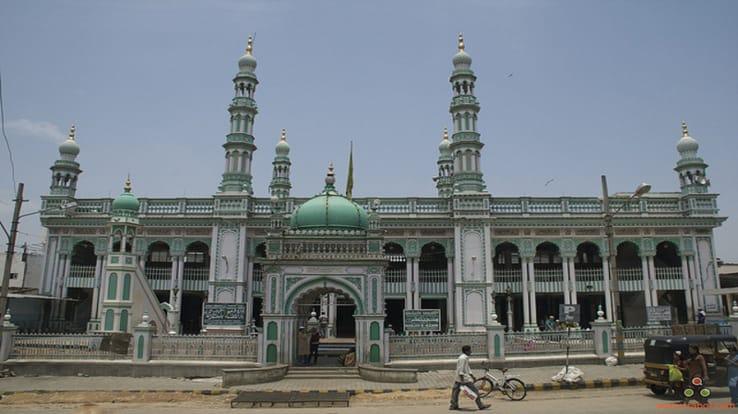
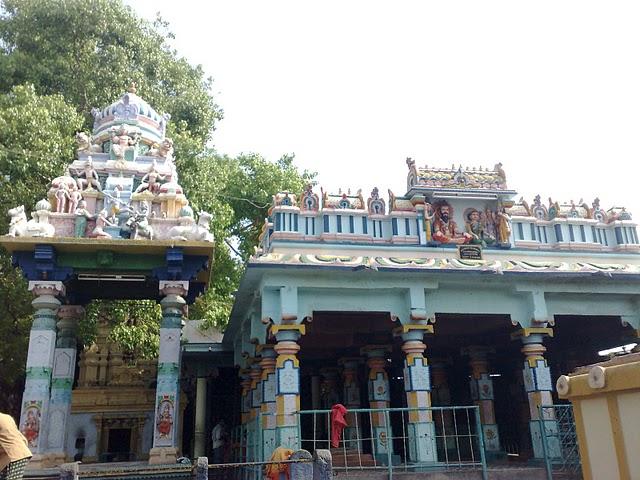
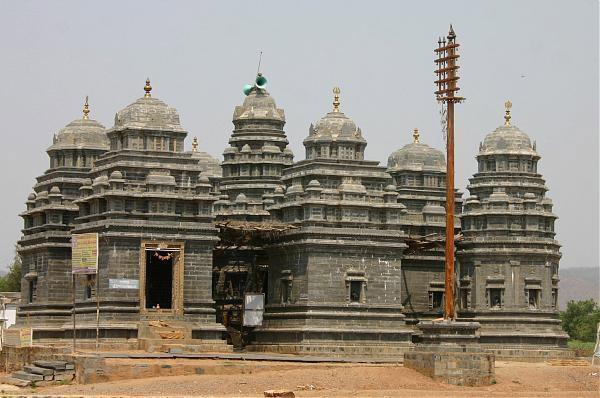
Hidden amidst the peaceful landscapes of Andhra Pradesh lies one of the state’s most spiritual Place in Kadapa—Sri Brahmamgari Matham. Located in the YSR Kadapa district, this sacred village is closely associated with the revered saint and philosopher Sri Potuluri Veera Brahmendra Swamy, one of the greatest spiritual visionaries in Indian history.
Unlike many pilgrimage centers that are famous for magnificent temples alone, Sri Brahmamgari Matham offers something much deeper. It is a place where spirituality, history, devotion, meditation, and centuries-old prophecies come together. Every year, thousands of devotees, historians, researchers, and curious travelers visit this holy destination to experience the peaceful atmosphere and learn about the saint whose predictions continue to fascinate people even today.
For many visitors, the Matham is not just a religious site—it is a place of reflection, inner peace, and timeless wisdom that has inspired generations.
Who Was Sri Potuluri Veera Brahmendra Swamy?
Sri Potuluri Veera Brahmendra Swamy is regarded as one of the greatest saints and spiritual philosophers of South India. Historians believe he lived during the 17th century and dedicated his life to spreading knowledge, equality, and devotion.
He traveled extensively across the region, teaching people that true spirituality lies not in wealth or social status but in compassion, righteousness, and devotion to God. His teachings emphasized living a simple life, respecting humanity, helping those in need, and seeking inner enlightenment through self-discipline.
However, what made him truly unique was his remarkable work known as Kalagnanam, a collection of prophetic writings that describe future events believed to occur across different periods of human history.
Even today, many devotees believe several of his predictions have already come true, making Sri Brahmamgari Matham one of India’s most intriguing spiritual destinations.
The Historical Importance of Sri Brahmamgari Matham
The Matham is believed to be the place where Sri Veera Brahmendra Swamy spent the later years of his life, preached his spiritual philosophy, and finally entered Jeeva Samadhi, a sacred yogic state where enlightened saints voluntarily leave their physical bodies while remaining spiritually present.
The site has gradually evolved into one of Andhra Pradesh’s most respected pilgrimage centers.
Unlike grand temple complexes with towering architecture, the beauty of Sri Brahmamgari Matham lies in its simplicity. The peaceful surroundings, traditional structures, devotional chants, and calm environment create a deeply spiritual atmosphere that instantly helps visitors disconnect from the noise of everyday life.
Many pilgrims describe the experience as calming, uplifting, and emotionally fulfilling.
Spiritual Importance
Sri Brahmamgari Matham is associated with Sri Potuluri Veerabrahmendra Swamy, one of Andhra Pradesh’s most respected saints.
He is widely known for his prophecies called “Kalagnanam.”
Thousands of devotees visit the matham every year seeking spiritual guidance.
Kalagnanam – The Prophecies That Made the Saint Famous
One of the primary reasons Sri Brahmamgari Matham attracts visitors from across India is Kalagnanam, the legendary prophetic work attributed to Sri Veera Brahmendra Swamy.
Kalagnanam is a collection of spiritual predictions describing changes in society, nature, politics, human behavior, and future generations. Rather than focusing only on specific events, these writings also convey deeper moral messages about how humanity should prepare itself through righteousness, compassion, and devotion.
Many devotees believe several predictions have already manifested over time, while others are interpreted symbolically. Because of this, Kalagnanam continues to inspire discussions among scholars, spiritual seekers, historians, and devotees alike.
Regardless of one’s beliefs, the prophecies remain an important part of Andhra Pradesh’s spiritual and cultural heritage.
Why Sri Brahmamgari Matham Is Different from Other Pilgrimage Destinations
Many temples attract visitors because of their architectural grandeur or ancient sculptures. Sri Brahmamgari Matham offers a different kind of experience.
Here, the focus is on spiritual knowledge rather than material grandeur.
People come here to:
Learn about one of India’s greatest spiritual philosophers.
Understand the teachings of Kalagnanam.
Spend time in peaceful meditation.
Experience traditional devotional practices.
Seek blessings for personal and family well-being.
Escape the stress of modern life.
This unique combination of spirituality, philosophy, and history makes the Matham one of Andhra Pradesh’s most meaningful pilgrimage destinations.
Key Attractions
- Veerabrahmendra Swamy temple
- Kalagnanam history
- Meditation areas
- Spiritual events
- Peaceful surroundings
Best Time to Visit
Although the Matham remains open throughout the year, the most comfortable months for sightseeing are from October to February.
During this period:
Pleasant daytime temperatures make exploring easier.
Morning and evening prayers are especially peaceful.
Festivals often take place during the cooler season.
The surrounding countryside appears greener after the monsoon.
Summer months (March to June) can become quite hot, especially during the afternoon. If visiting in summer, early morning or evening is recommended.
The monsoon season (July to September) brings refreshing greenery to the region, though occasional rainfall may affect travel plans.
How to Reach
Sri Brahmamgari Matham is well connected by road to several major towns in Andhra Pradesh.
By Road
Regular buses and private taxis are available from Kadapa, Mydukur, Proddatur, and nearby towns. The roads leading to the Matham are generally in good condition, making it convenient for both private vehicles and public transport.
By Rail
The nearest major railway station is Kadapa Railway Station, which has good connectivity with cities such as Hyderabad, Bengaluru, Chennai, Tirupati, and Vijayawada.
From Kadapa, visitors can hire taxis or board local buses to reach the Matham.
By Air
The nearest airport is Kadapa Airport, offering limited domestic connectivity. Travelers can also choose larger airports like Tirupati, Bengaluru, or Hyderabad and continue the journey by road or rail.
Why You Should Visit Sri Brahmamgari Matham
Sri Brahmamgari Matham is much more than a pilgrimage destination. It is a place where history, philosophy, devotion, and spirituality coexist in perfect harmony. Whether you are a devotee seeking blessings, a history enthusiast curious about one of India’s most respected saints, or a traveler looking for meaningful experiences beyond typical tourist attractions, the Matham offers something truly memorable.
The serene atmosphere, the sacred Jeeva Samadhi, the enduring legacy of Kalagnanam, and the timeless teachings of Sri Potuluri Veera Brahmendra Swamy leave a lasting impression on every visitor. A journey to this holy place is not only a step into Andhra Pradesh’s spiritual heritage but also an opportunity to pause, reflect, and reconnect with values that remain relevant even today.
For anyone exploring the cultural treasures of YSR Kadapa district, Sri Brahmamgari Matham deserves a prominent place on the itinerary, offering an experience that nourishes both the mind and the soul.
8.Lankamalleswara Wildlife Sanctuary
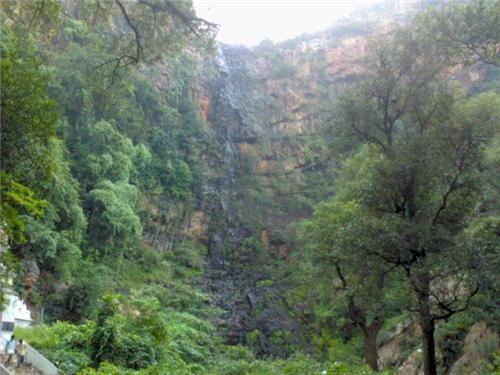
Lankamalleswara Wildlife Sanctuary was established with the primary objective of protecting the dry deciduous forests of the Eastern Ghats and conserving the region’s unique wildlife. Over the years, the sanctuary has become one of the most significant conservation areas in southern India.it is one of the sanctuary place in Kadapa.
The sanctuary gained international recognition after the rediscovery of the critically endangered Jerdon’s Courser in 1986. Before this remarkable discovery, scientists believed that the bird had disappeared forever. The rediscovery brought global attention to the sanctuary, making it one of the world’s most important habitats for rare bird conservation
Today, the sanctuary is managed by the Andhra Pradesh Forest Department, which continues to protect its fragile ecosystem while promoting wildlife conservation and environmental awareness.
A Natural Paradise in the Eastern Ghats
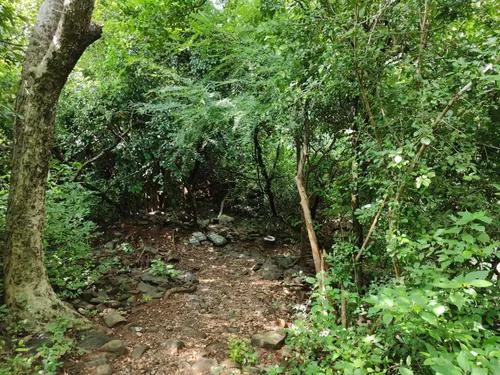
One of the biggest attractions of Lankamalleswara Wildlife Sanctuary is its untouched natural beauty. The sanctuary forms part of the majestic Eastern Ghats, where rolling hills, rocky cliffs, dense forests, grasslands, and seasonal streams create a breathtaking landscape.
As visitors enter the sanctuary, they are welcomed by fresh air, peaceful surroundings, and endless stretches of greenery. During the monsoon season, the entire forest transforms into a vibrant green paradise filled with colorful wildflowers and flowing streams. In winter, the pleasant weather makes it an excellent destination for nature walks and wildlife exploration.
Unlike commercial tourist destinations, the sanctuary remains relatively unexplored, allowing visitors to experience nature in its purest form.
The Famous Jerdon’s Courser – The Star of the Sanctuary
The greatest claim to fame of Lankamalleswara Wildlife Sanctuary is the Jerdon’s Courser, one of the rarest birds in the world.
This small nocturnal bird was first discovered in the 19th century by British surgeon and naturalist Thomas C. Jerdon. However, for several decades, there were no confirmed sightings, leading scientists to believe that the species had become extinct.
In 1986, wildlife researchers made an astonishing discovery when the bird was spotted again inside the sanctuary. This rediscovery became one of the biggest wildlife conservation success stories in India.
The Jerdon’s Courser is extremely shy and active mainly during the night, making it almost impossible for regular visitors to spot. Although most tourists may never see the bird, simply knowing that this critically endangered species survives here adds immense significance to the sanctuary.
Its presence highlights the importance of preserving natural habitats and protecting endangered wildlife for future generations
Wildlife You Can Find in the Sanctuary
Although the sanctuary is globally known for the Jerdon’s Courser, it also shelters a remarkable variety of wildlife.
Visitors may encounter:
Indian Leopard
Sloth Bear
Golden Jackal
Indian Fox
Wild Boar
Spotted Deer
Sambar Deer
Four-horned Antelope
Indian Hare
Porcupine
Jungle Cat
Monitor Lizards
Indian Cobra
Russell’s Viper
Various species of butterflies and insects
Since the sanctuary is a protected forest area, wildlife sightings depend on weather, timing, and patience. Early mornings and evenings usually provide better opportunities to observe animals in their natural habitat.
Home of the Rare Jerdon’s Courser
Lankamalleswara Wildlife Sanctuary is famous for being the habitat of Jerdon’s Courser, one of the world’s rarest birds.
The sanctuary is covered with dry deciduous forests and rich biodiversity.
Things to Do at Lankamalleswara Wildlife Sanctuary
Although this sanctuary is primarily a conservation area, visitors can enjoy several nature-based activities.
Nature Walks
Walking through the forest trails is one of the best ways to appreciate the sanctuary’s biodiversity. The peaceful surroundings, chirping birds, and fresh air create a relaxing experience.
Wildlife Observation
Visitors can quietly observe animals from safe distances while respecting the forest ecosystem.
Bird Watching
Carry binoculars and a field guide to identify various bird species found throughout the sanctuary.
Nature Photography
Whether you are using a DSLR camera or a smartphone, the sanctuary offers countless opportunities for capturing beautiful landscapes and wildlife.
Educational Visits
Students, researchers, and wildlife enthusiasts often visit the sanctuary to learn about biodiversity, conservation, ecology, and endangered species.
Best Time to Visit
The sanctuary can be visited throughout the year, but each season offers a different experience.
October to February (Highly Recommended)
Winter is considered the best time to visit. The weather remains cool and comfortable, making it ideal for forest exploration, photography, and birdwatching.
July to September
The monsoon transforms the sanctuary into a lush green landscape with fresh vegetation and flowing streams. Visitors should be prepared for occasional rain and slippery paths.
March to June
Summer can be quite hot during the daytime. However, early morning visits may provide better chances of spotting wildlife near water sources.
How to Reach
The sanctuary is well connected to major towns in Andhra Pradesh.
By Road
Kadapa is connected by highways to cities such as Tirupati, Bengaluru, Kurnool, and Hyderabad. Visitors can hire taxis or use private vehicles to reach the sanctuary.
By Rail
The nearest major railway station is Kadapa Railway Station, which has regular train services from Hyderabad, Chennai, Bengaluru, Vijayawada, and Tirupati.
By Air
The nearest airport is Kadapa Airport. Visitors can also use Tirupati Airport or Kempegowda International Airport, Bengaluru, followed by a road journey.
Local Food to Try in Kadapa
Kadapa is equally famous for its spicy and flavorful cuisine.
Kadapa Karam Dosa
A crispy dosa served with spicy chutneys and flavorful masala.
Ragi Sangati with Natu Kodi Pulusu
This traditional combination is one of the most popular dishes in Rayalaseema.
Rayalaseema Chicken Curry
Known for its rich spices and unique taste.
Ulavacharu
A healthy horse gram soup that is widely consumed.
Gongura Mutton
A spicy dish prepared with sorrel leaves and mutton.
Sweet Dishes
- Pootharekulu
- Ariselu
- Bobbatlu
Food lovers should definitely experience the authentic flavors of Kadapa.


Best Time to Visit Kadapa
The ideal time to visit Kadapa is from October to February.
During these months:
- Pleasant weather
- Comfortable sightseeing
- Better outdoor activities
- Ideal for photography
Summer temperatures can become very high, making travel uncomfortable.
Local Transportation
Visitors can use:
- APSRTC buses
- Auto-rickshaws
- Taxis
- Rental cars
- Private vehicles
Kadapa Railway Station connects the district to major cities such as Hyderabad, Bengaluru, Chennai, and Vijayawada.
The nearest airport is Kadapa Airport.
Practical Travel Tips for Tourists
- Carry water while visiting outdoor destinations.
- Wear comfortable footwear.
- Start sightseeing early during summer.
- Book accommodation in advance during holidays.
- Respect local customs at religious places.
- Carry cash for small shops in rural areas.
- Keep a camera ready for Gandikota’s beautiful landscapes.
Why Kadapa Should Be on Your Travel List
Kadapa is not just a destination; it is an experience that combines history, spirituality, adventure, culture, and natural beauty. Whether you want to witness the spectacular cliffs of Gandikota, seek blessings at ancient temples, explore wildlife, or taste authentic Rayalaseema food, Kadapa offers something for every traveler.
Its hidden charm, peaceful atmosphere, and rich heritage make it one of Andhra Pradesh’s most rewarding travel destinations.
Plan your journey to Kadapa and discover the many stories waiting to be explored in the heart of Rayalaseema.